
 By
By 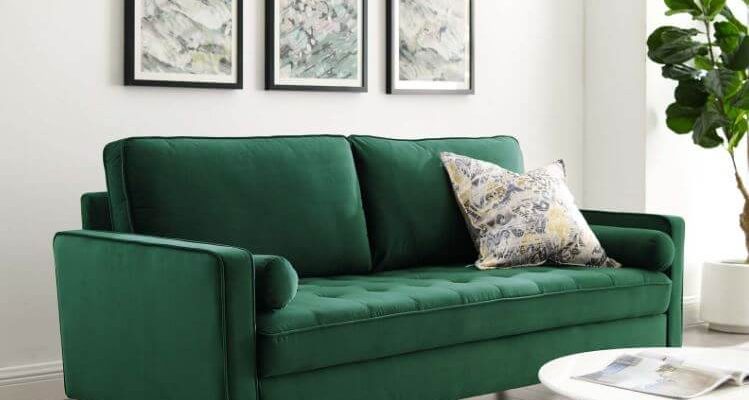
In today’s world, sustainability isn’t just a trend—it’s a lifestyle. Homeowners are becoming more conscious of the materials they bring into their spaces, from flooring to furniture. When it comes to sofas, the choice of sofa upholstery can have a surprisingly large impact on both the environment and your home’s aesthetic. Thankfully, eco-friendly sofa upholstery is no longer a compromise between style, comfort, and sustainability. Modern options allow you to create a beautiful living space while staying true to your eco-conscious values—and even your budget.
Why Choose Eco-Friendly Sofa Upholstery?
Eco-friendly upholstery goes beyond just being green. It involves using materials and processes that reduce environmental impact. This includes fabrics made from natural fibers, recycled materials, or those produced with low water consumption and minimal chemical treatments.
Choosing sustainable sofa upholstery has multiple benefits:
Healthier Indoor Environment: Natural fabrics like organic cotton, linen, and hemp are free from harmful chemicals often found in synthetic materials. This reduces allergens and improves air quality.
Durability: Many eco-friendly fabrics are long-lasting and resistant to wear and tear, which means your sofa will stay beautiful for years—reducing the need for frequent replacements.
Environmental Impact: Opting for recycled or responsibly sourced materials helps reduce waste and minimizes the carbon footprint associated with furniture production.
Stylish Eco-Friendly Fabric Options
Gone are the days when sustainable materials were limited to dull or basic designs. Today, eco-friendly fabrics come in a variety of textures, colors, and patterns, ensuring that your sofa can be both stylish and sustainable. Here are some top choices:
Organic Cotton
Grown without harmful pesticides, organic cotton is soft, breathable, and versatile. It can be dyed in a wide range of colors and patterns, making it perfect for modern and traditional interiors alike.
Linen
Linen is a natural fiber made from flax, known for its durability and luxurious texture. It’s also naturally hypoallergenic and becomes softer with each wash, giving your sofa a timeless appeal.
Hemp
Hemp is one of the most sustainable fabrics available, requiring minimal water and no synthetic fertilizers. It’s incredibly strong, making it ideal for high-traffic living rooms, and its natural, rustic texture adds a touch of organic charm.
Recycled Polyester
Made from post-consumer plastic bottles, recycled polyester is eco-friendly and highly durable. It’s perfect for families or pet owners since it resists stains and is easy to clean, all while diverting plastic waste from landfills.
Bamboo Fabric
Bamboo fibers are naturally soft, breathable, and antibacterial. Bamboo grows quickly without pesticides, making it a highly renewable resource. Sofas upholstered in bamboo fabric offer both comfort and a modern, eco-conscious style.
Budget-Friendly Sustainability
A common misconception is that eco-friendly upholstery is expensive. While some premium sustainable fabrics can cost more upfront, they often save money over time due to their durability. Additionally, there are plenty of affordable options available:
Second-Hand or Upcycled Sofas: Give an old sofa a new life with reupholstery using eco-friendly fabrics. This reduces waste and can cost significantly less than buying a new sofa.
Recycled Fabrics: Many brands now offer recycled cotton or polyester blends that are both budget-friendly and stylish.
DIY Reupholstery: Learning to reupholster your sofa yourself can save on labor costs and allows you to choose eco-conscious fabrics without breaking the bank.
Tips for Choosing the Right Eco-Friendly Sofa Upholstery
Selecting the perfect eco-friendly fabric requires balancing style, durability, and comfort. Here are a few tips:
Consider Your Lifestyle: Homes with kids or pets benefit from durable, stain-resistant fabrics like recycled polyester or hemp blends.
Feel and Texture Matter: Make sure to touch and sit on fabric samples to ensure comfort, especially for high-traffic sofas.
Check Certifications: Look for fabrics certified by organizations like GOTS (Global Organic Textile Standard) or OEKO-TEX, which guarantee eco-friendly production practices.
Mix Materials: Combining sustainable fabrics, like a linen cushion cover with a recycled polyester base, can maximize both comfort and durability.
Eco-Friendly Design Ideas
Eco-friendly upholstery doesn’t mean sacrificing design. Consider these ideas:
Bold Patterns and Colors: Choose organic cotton or linen fabrics in vibrant patterns to make your eco-friendly sofa a statement piece.
Minimalist Scandinavian Style: Neutral-toned linen or hemp sofas fit perfectly with clean, minimalist aesthetics.
Textural Contrast: Combine smooth recycled polyester with textured bamboo or hemp accents for a modern, tactile look.
Conclusion
Eco-friendly sofa upholstery Abu Dhabi is the perfect blend of style, sustainability, and practicality. With an array of fabrics—from organic cotton to recycled polyester—you can create a sofa that not only looks good but also aligns with your environmental values. By choosing sustainable materials, you’re investing in durability, healthier indoor living, and a smaller ecological footprint. Whether you’re redecorating your living room or updating an old sofa, eco-friendly upholstery proves that conscious choices don’t mean compromising on style—or breaking your budget.


Comments