
 By
By 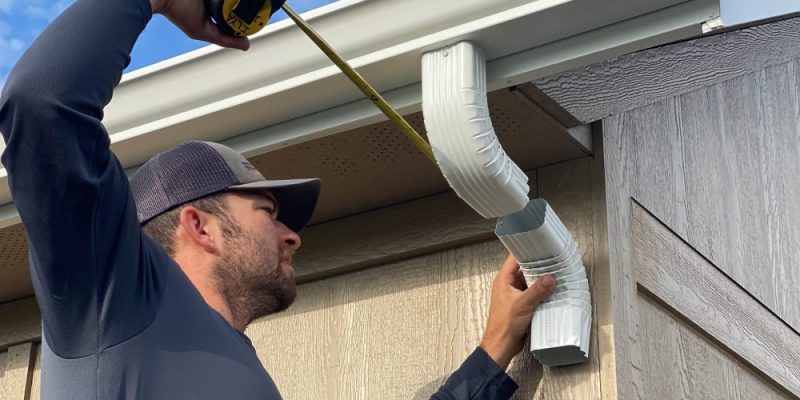
Water is one of the most damaging forces a home can face. While rain may seem harmless, uncontrolled runoff can slowly weaken foundations, stain siding, erode landscaping, and even create mold issues inside the structure. A well-designed drainage system plays a critical role in directing water safely away from your property. When installed correctly, it becomes a long-term safeguard that protects both the structural integrity and appearance of your home.
Why Water Management Matters More Than You Think
Every time it rains, thousands of gallons of water flow off your roof. Without a controlled pathway, that water falls directly along the perimeter of your home, saturating soil and splashing against exterior surfaces. Over time, this repeated exposure can lead to foundation settling, cracked walkways, basement leaks, and premature wear on siding and paint.
An effective system captures runoff at the roofline and channels it away from vulnerable areas. This controlled movement reduces soil erosion, prevents pooling near the foundation, and limits moisture intrusion into the building envelope.
The Role of Proper Installation
Even the highest-quality materials cannot perform well if they are poorly installed. Correct placement, pitch, and secure fastening ensure water flows smoothly toward downspouts rather than spilling over the edges.
Professional installers carefully calculate slope so gravity moves water efficiently without creating standing pools. They also reinforce attachment points to prevent sagging during heavy rainfall or snow accumulation. Precision during installation is what transforms a simple drainage system into a reliable protective barrier.
How Continuous Designs Improve Performance
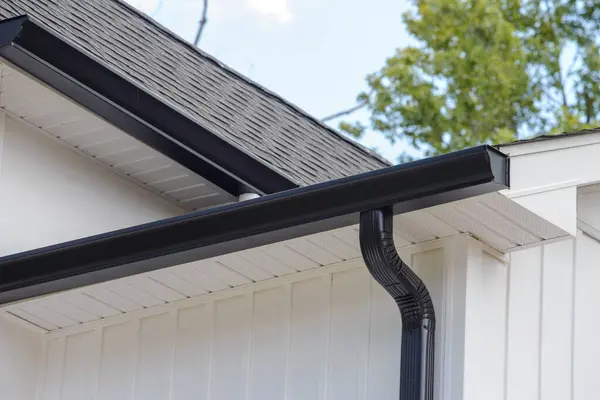
Modern continuous systems—often referred to online as rain gutters seamless—are formed to match the exact dimensions of a home. Unlike sectional designs with multiple joints, these systems reduce the number of connection points where leaks typically develop.
With fewer seams, water flows more consistently and debris has fewer places to collect. This improves overall efficiency and minimizes maintenance demands over time. Homeowners benefit from a cleaner appearance as well as enhanced durability.
Preventing Foundation and Structural Damage
One of the most important functions of a properly installed system is protecting the foundation. When water repeatedly collects near the base of a home, it can penetrate concrete, weaken footings, and create hydrostatic pressure that leads to cracks or basement seepage.
Downspouts should discharge water several feet away from the structure or into approved drainage pathways. This redirection keeps soil stable and prevents long-term structural issues that can be costly to repair.
Protecting Siding, Windows, and Exterior Surfaces
Overflowing or leaking channels can allow water to run down siding and window frames. Over time, this moisture can cause paint to peel, wood to rot, and metal components to corrode. It also increases the likelihood of mold growth around trim and entry points.
Proper sizing and alignment prevent overflow during heavy storms. Accessories such as rain guard gutters can further reduce debris buildup and maintain consistent water flow, especially in areas with heavy tree coverage.
Reducing Landscape Erosion and Pooling
Uncontrolled runoff can wash away mulch, soil, and decorative landscaping, leaving uneven ground and exposed roots. Pooling water near walkways and driveways also increases the risk of slippery surfaces and cracking during freeze-thaw cycles.
By directing water to designated drainage areas, your system helps preserve the appearance and stability of your outdoor spaces while minimizing maintenance needs.
Maintenance and Long-Term Reliability
Routine maintenance is essential for consistent performance. Clearing leaves and debris ensures uninterrupted flow, while periodic inspections help identify loose fasteners or minor alignment issues before they escalate.
Protective upgrades can reduce cleaning frequency, but visual checks remain important after severe weather. Consistent care extends lifespan and ensures the system continues performing as designed.
Choosing the Right Professional for Installation
Finding a knowledgeable installer is critical for achieving optimal results. When homeowners search online for rain gutters near me, they should look for licensed professionals with strong reviews, clear warranties, and experience working with local building conditions.
A reputable contractor will assess roof layout, rainfall patterns, and drainage needs before recommending materials and placement strategies. This customized approach ensures long-term protection rather than one-size-fits-all installation.
Frequently Asked Questions
How often should gutters be cleaned?
Most homes benefit from cleaning at least twice a year, though properties with heavy tree coverage may need more frequent service.
Can improper slope cause damage?
Yes. If the pitch is incorrect, water may pool or overflow, increasing the risk of leaks and structural exposure.
Are protective covers worth the investment?
In many cases, yes. They reduce debris buildup and improve consistent flow, especially in wooded environments.
Do modern systems increase home value?
Improved durability, reduced maintenance, and enhanced curb appeal can positively influence resale appeal.
A properly installed drainage system quietly performs one of the most important protective functions for your home. By directing water safely away from vulnerable areas, maintaining steady flow, and reducing long-term maintenance demands, it preserves both the structure and the beauty of your property year after year.





Comments