
 By
By 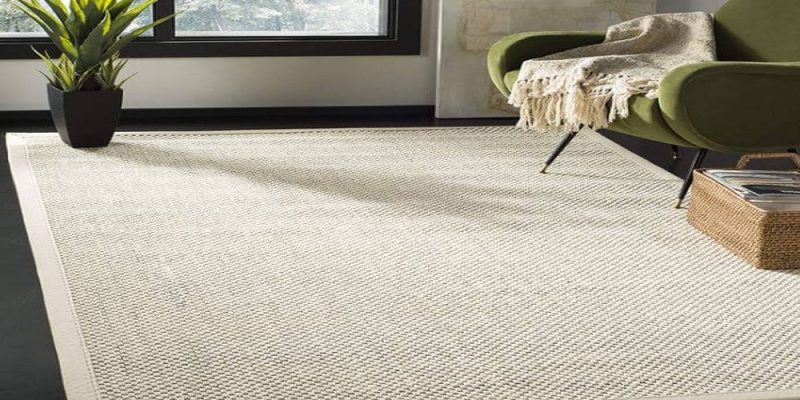
Sisal carpets have long been celebrated for their natural beauty, durability, and eco-friendly appeal. Derived from the fibers of the agave sisalana plant, these carpets offer a unique combination of strength and aesthetic charm, making them a popular choice for homeowners, interior designers, and commercial spaces alike. Unlike synthetic carpets, sisal flooring provides a warm, organic texture that can enhance the ambiance of any room. In this article, we explore the features, benefits, maintenance tips, and design ideas associated with sisal carpets, helping you understand why they are an ideal flooring solution.
What is a Sisal Carpet?
Sisal carpets are made from the long, stiff fibers extracted from the leaves of the sisal plant. These fibers are spun into threads and woven into a variety of textures, including flatweave, looped, and herringbone patterns. The result is a strong, resilient carpet that can withstand heavy foot traffic while maintaining its natural elegance. Unlike wool or synthetic carpets, sisal is entirely plant-based, making it a sustainable choice for environmentally conscious homeowners.
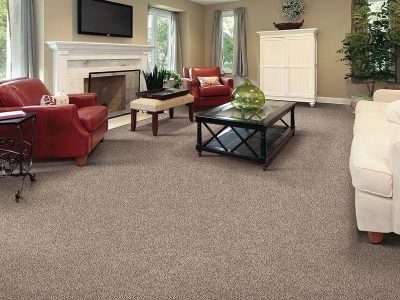
The natural color palette of sisal carpets ranges from light beige to golden brown, which can easily complement neutral or vibrant interior schemes. Some manufacturers also offer dyed sisal options, providing additional flexibility in terms of décor. The coarse texture of sisal gives it a distinctive tactile appeal, creating a sense of warmth and connection to nature that is difficult to replicate with other materials.
Advantages of Sisal Carpets
Sisal carpets offer several advantages that make them an attractive option for both residential and commercial spaces:
Durability and Strength
Sisal is renowned for its strength and longevity. The fibers are naturally hard-wearing, which allows these carpets to endure high traffic areas such as hallways, living rooms, and offices. Unlike delicate fabrics, sisal carpets maintain their structure over time, resisting fraying and stretching.
Eco-Friendly and Sustainable
As a natural fiber, sisal is biodegradable and renewable. The sisal plant requires minimal water and grows quickly, making it an environmentally responsible choice. For those seeking sustainable interior design solutions, sisal carpets provide a perfect balance of beauty and functionality.
Versatile Design Options
Sisal carpets are available in various weaves, patterns, and thicknesses, making them suitable for a wide range of interior styles. Whether you are aiming for a rustic, contemporary, or minimalist aesthetic, sisal carpets can seamlessly integrate into your décor. Their neutral tones also make them an excellent base for layering with rugs or furniture.
Hypoallergenic Qualities
Unlike synthetic carpets that can trap dust and allergens, sisal fibers are naturally hypoallergenic. They resist dust accumulation, making them a healthier option for households with allergy sufferers or children. Additionally, sisal’s coarse texture can discourage dust mites and bacteria, contributing to improved indoor air quality.
Low Maintenance
Sisal carpets are relatively easy to maintain. Regular vacuuming and occasional spot cleaning are generally sufficient to keep them looking fresh. However, because sisal is sensitive to moisture, it is recommended to avoid wet cleaning methods or spills. For areas prone to liquids, consider placing sisal carpets in spaces like bedrooms or living rooms rather than kitchens or bathrooms.
Considerations Before Installing Sisal Carpets
While sisal carpets have many benefits, there are a few factors to consider before installation:
- Moisture Sensitivity: Sisal fibers can absorb water, leading to potential shrinkage or damage. It is best suited for dry areas of the home.
- Texture: The coarse nature of sisal can feel rough underfoot. Pairing it with softer rugs or cushions can improve comfort.
- Color Variations: As a natural material, sisal fibers may exhibit slight color variations, which is normal and adds to its charm.
Maintenance Tips for Longevity
To maximize the lifespan of a sisal carpet, follow these simple maintenance tips:
Regular Vacuuming: Remove dust and debris regularly using a vacuum with a brush attachment.
Immediate Spill Management: Blot spills immediately with a dry cloth. Avoid rubbing, as this can push liquid deeper into the fibers.
Avoid Excess Moisture: Use dry-cleaning methods for stains and avoid steam cleaning.
Rotate the Carpet: Periodically rotate the carpet to ensure even wear and fading.
Use Carpet Pads: Placing a non-slip pad underneath can protect the fibers and prevent slipping.
Design Ideas with Sisal Carpets
Sisal carpets are versatile and can be incorporated into various interior styles:
- Modern Minimalist: Use a light beige sisal carpet as a neutral base, allowing furniture and décor accents to stand out.
- Rustic Charm: Pair sisal with wooden furniture and natural fabrics to create a cozy, organic feel.
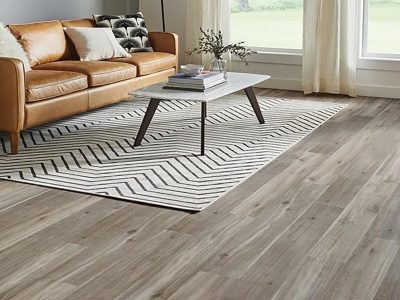
- Layered Look: Combine sisal with smaller, patterned rugs to add texture and depth to the space.
- Office Spaces: Sisal carpets provide durability and a professional look, suitable for commercial settings.
Conclusion
Sisal carpets represent a perfect blend of sustainability, durability, and timeless aesthetic appeal. Their natural fibers, earthy tones, and textured patterns make them an ideal choice for those seeking elegance without compromising on environmental responsibility. While they require mindful care and consideration of moisture-sensitive areas, the benefits far outweigh the drawbacks. Whether in homes, offices, or commercial spaces, sisal carpets Dubai bring a touch of natural sophistication that enhances any interior. Choosing a sisal carpet is not just a flooring decision-it is an investment in long-lasting beauty, comfort, and sustainability.

Comments