
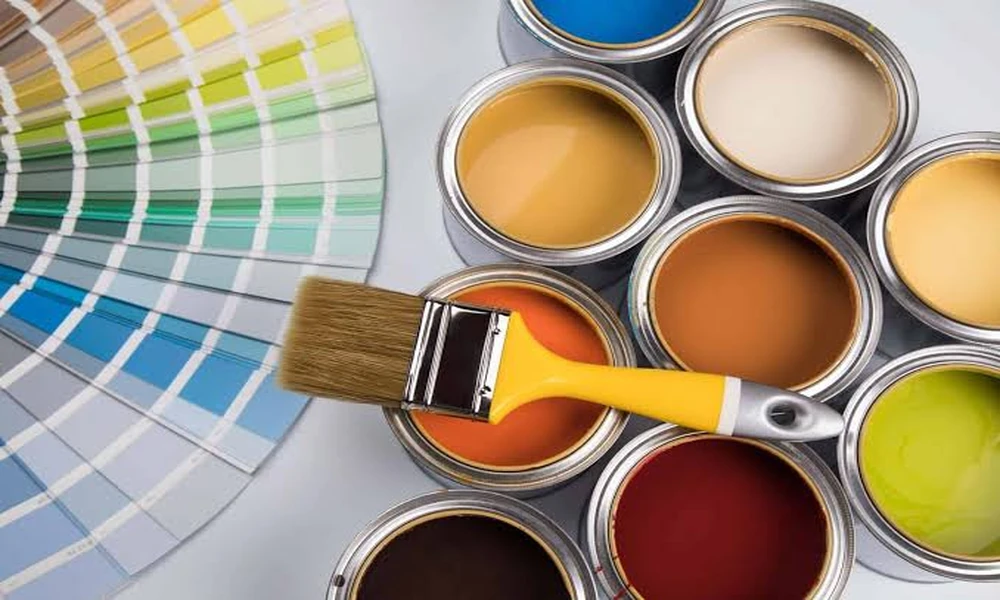
Choosing the perfect paint colour for walls is one of the most exciting parts of decorating a home. The right shade can make a room feel bright, cosy, spacious, or elegant. However, a colour that looks beautiful on a paint card or website may appear completely different once it’s applied to your walls.
Many homeowners make the mistake of selecting a paint colour without testing it first, only to regret their decision after the entire room has been painted. Fortunately, a few simple steps can help you choose the right shade with confidence.
Here’s how to test paint colours before committing to a full room.
Start with a Few Colour Options
Instead of falling in love with the first shade you see, shortlist three to five colours that match your room’s style and lighting.
Think about the mood you want to create. Soft neutrals bring a calm and timeless feel, while deeper shades add warmth and character. If you’re looking for the best paint colors for living room, consider colours that complement your furniture, flooring, and décor rather than following trends alone.
Having multiple options makes it easier to compare and choose the one that feels right.
Buy Sample Paint Instead of Full-Sized Cans
A small paint sample is much more affordable than repainting an entire room.
Apply each sample to a separate section of the wall or paint a few large boards that can be moved around the room. Make sure each sample is large enough-at least two feet by two feet-so you can see how the colour truly looks.
Avoid judging a colour based on tiny paint chips, as they rarely show the full effect.
Test Colours on Different Walls
Every wall receives light differently, which means the same colour can look lighter, darker, warmer, or cooler depending on its location.
Paint samples on multiple walls around the room instead of testing only one spot. A colour that looks perfect near a window may appear dull on the opposite wall.
Testing in different areas gives you a realistic idea of how the paint colour for walls will look throughout the space.
Observe the Colour Throughout the Day
Lighting has one of the biggest impacts on paint colour.
Natural sunlight changes from morning to evening, while artificial lighting can add warm or cool tones. A colour that appears soft during the day may look much darker at night.
Spend a day or two observing your paint samples under different lighting conditions before making your final decision.
This simple step can help you avoid costly mistakes.
Compare with Your Furniture and Décor
Paint doesn’t exist on its own. It should complement everything else in the room.
Place your curtains, cushions, rugs, artwork, and furniture near the painted samples. This helps you see whether the colour creates a balanced and attractive look.
If you’re choosing the best paint colors for living room, make sure the shade works well with your existing décor instead of competing with it.
A coordinated colour palette creates a more polished and inviting space.
Try Bold Colours Carefully
Bold shades can create stunning interiors, but they often look stronger on large walls than expected.
For example, shades of green colour have become increasingly popular because they bring a fresh and natural feel to interiors. Soft sage green creates a calming atmosphere, olive green adds warmth, while deep emerald offers a rich and luxurious appearance.
Testing these shades before painting the entire room helps you choose the tone that best matches your space and lighting.
Consider the Room Size
Colour can influence how large or small a room feels.
Light colours make compact spaces appear bigger and brighter, while darker shades create warmth and intimacy in larger rooms.
When testing a paint colour for walls, step back and observe how the room feels. The right colour should enhance the size and purpose of the space rather than make it feel cramped or empty.
Don’t Rush the Decision
Choosing paint is a long-term decision, so give yourself enough time.
Live with your paint samples for at least 24 to 48 hours before making a final choice. Your first impression may change once you’ve seen the colours in different lighting conditions and alongside your furniture.
Taking a little extra time now can save you from the expense and inconvenience of repainting later.
Final Thoughts
Testing a paint colour for walls before painting an entire room is one of the smartest steps in any home makeover. By using sample paints, checking colours under different lighting, comparing them with your décor, and taking your time, you can confidently choose a shade you’ll love for years.
Whether you’re exploring the best paint colors for living room or experimenting with beautiful shades of green colour, a simple colour test can make all the difference. A little planning goes a long way in creating a space that feels comfortable, stylish, and truly reflects your personality.