
 By
By 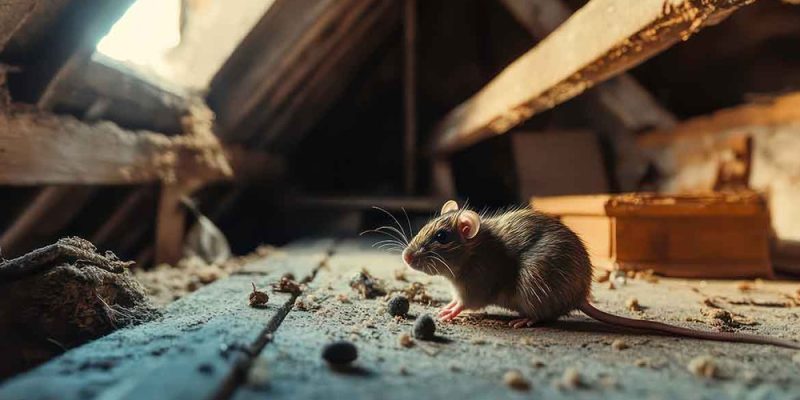
Most homeowners in Gaithersburg, MD don’t spend much time in their attic. It’s where holiday decorations are stored and where unused items sit undisturbed. It also plays a key role in insulation and energy efficiency. Because attics see little activity, they often become ideal spaces for rodents to settle in once they find an entry point.
Roof rats and house mice reproduce quickly. A small number can turn into a serious infestation in a short time. That’s why it’s important to recognize early warning signs and take action. Working with professionals like Green Pest Services can help address issues before they escalate. Here are signs that rodents may be living in your attic.
Scratching or Scurrying Sounds
Rodents are most active at night, so noises usually start when the house becomes quiet.
Roof rats are strong climbers and move along rafters and walls with a rolling, skittering sound. Mice move faster and produce lighter, rapid scratching noises. Persistent nighttime activity from the ceiling is a strong indicator of rodent presence.
Rodent Droppings Near Attic Access Points
Droppings are one of the clearest signs of an infestation. Check attic entry areas and surrounding spaces.
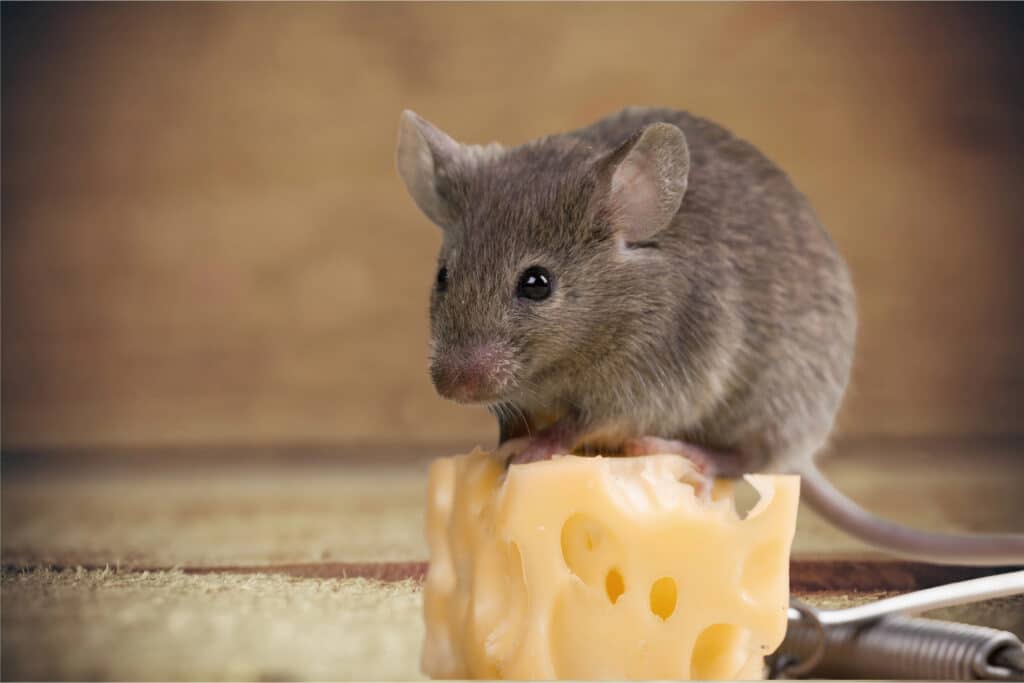
Mouse droppings are small, dark, and pointed at both ends
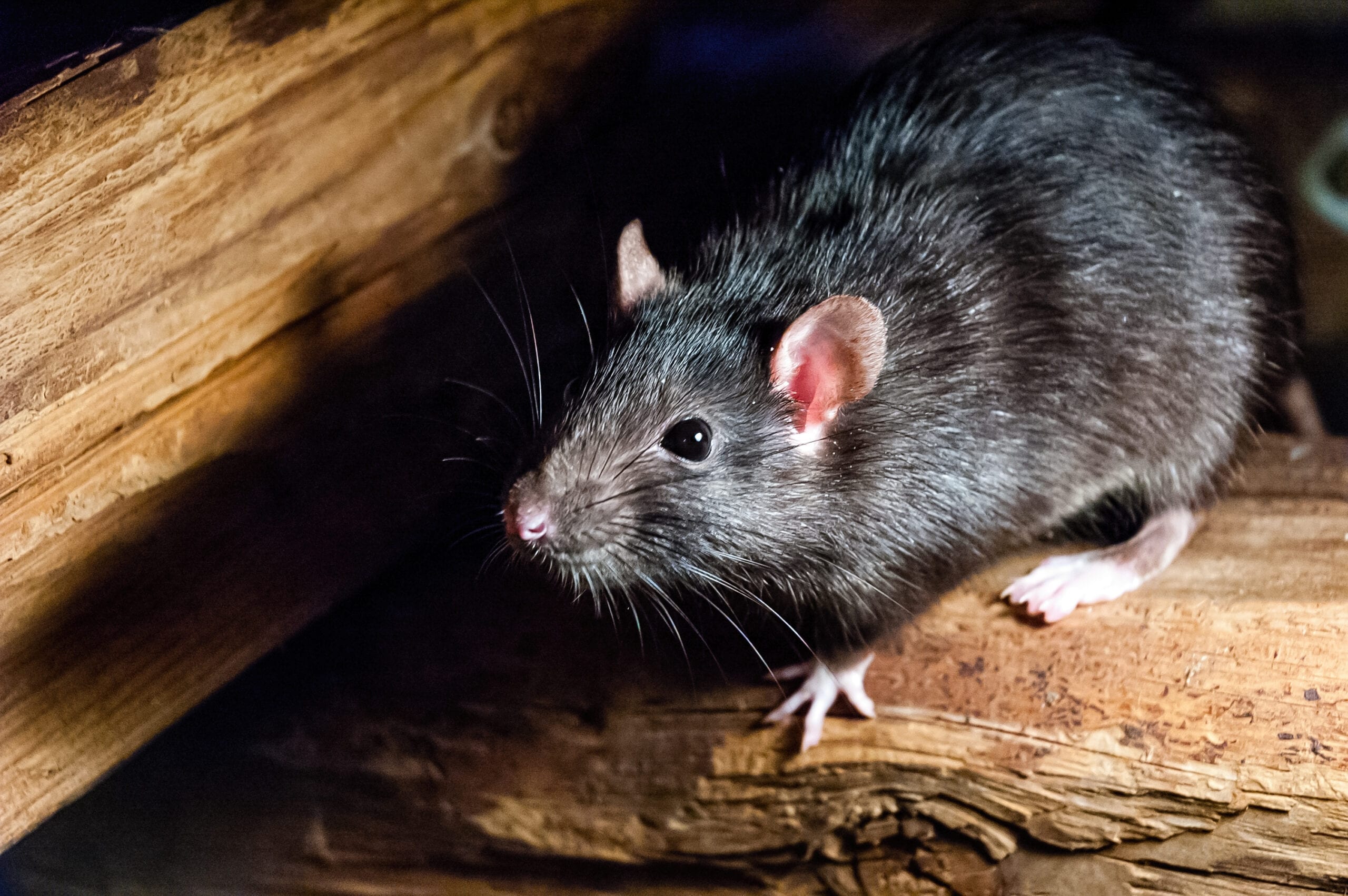
Rat droppings are larger, capsule-shaped, and blunt
Fresh droppings appear dark and moist, while older ones are dry and gray
Clusters of droppings often indicate nesting or high-traffic areas
Damaged or Disturbed Insulation
Rodents commonly use attic insulation for nesting. They tear it apart, compress it, and burrow into it for warmth.
Urine contamination can also create strong odors and hygiene concerns. In severe cases, insulation may need to be replaced completely, which can be costly.
Gnaw Marks on Wood, Wiring, and Stored Items
Rodents constantly chew to keep their teeth from overgrowing.
Look for:
Splintered wood on beams and joists
Exposed or damaged electrical wiring, which can create fire hazards
Holes in cardboard boxes and plastic containers
Gnaw marks around attic openings, vents, and soft materials
Professionals from Green Pest can identify and address these risks effectively before further damage occurs.
Nesting Materials in Hidden Areas
Rodents build nests using soft materials found in the attic.
These nests often appear as loose bundles of shredded insulation, paper, or fabric. They are usually hidden in corners, behind stored items, or inside wall cavities.
Roof rat nests are larger and more structured, while mouse nests are smaller and tucked into tighter spaces.



Comments