
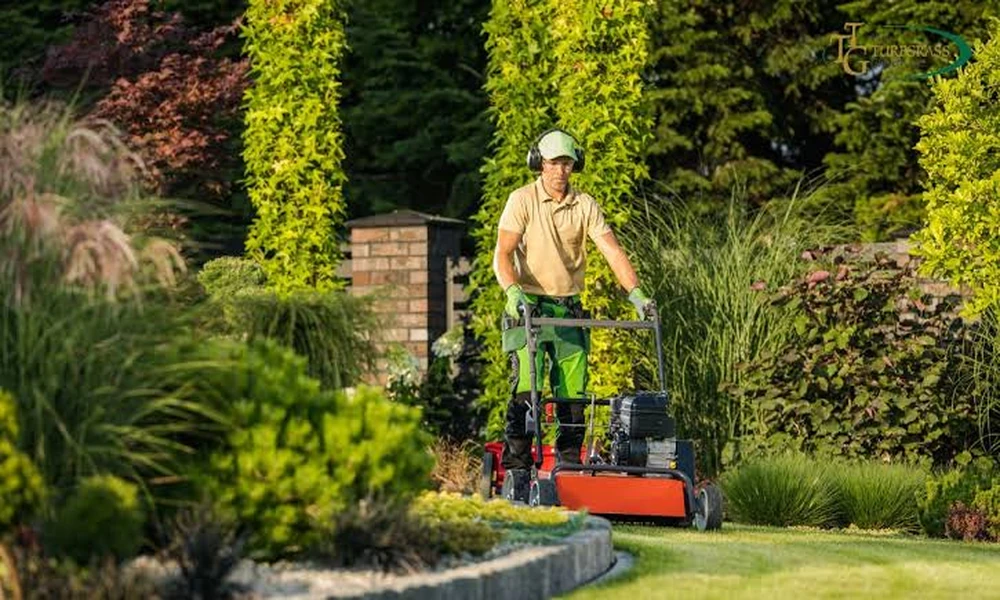
Lawn maintenance works best when it follows the grass type, soil condition, weather, and how the yard is used. A reliable routine focuses on mowing at a suitable height, watering when needed, improving soil health, managing weeds, and adjusting care during heat, cold, or heavy rain. There is no single schedule for every lawn: grass species, rainfall, soil texture, shade, and local restrictions all change what is appropriate.
Lawn care includes mowing, irrigation, soil care, nutrient management, weed control, aeration when needed, and seasonal observation. The right approach depends on grass species, soil texture, sunlight, foot traffic, climate, and water rules. Healthy turf is not produced by applying more fertiliser or water automatically; it comes from matching each treatment to a real need.
At a glance
| Area | Key point |
| Routine | Use a consistent, manufacturer-guided schedule |
| Safety | Do not improvise work on hazardous components |
| Observation | Record changes before symptoms worsen |
| Professional help | Escalate persistent or risky faults |
Identify grass and growing conditions
Determine whether the lawn uses warm-season grass, cool-season grass, or a mixture. These types differ in active growth periods, mowing height, drought response, and ideal renovation timing. If unsure, compare the leaf shape and growth pattern with local horticultural guidance rather than following a generic calendar.
Map sunny and shaded areas, slopes, compacted paths, puddling spots, and places that dry quickly. A single sprinkler schedule may overwater low ground while leaving sunny edges dry. Treat the lawn as a set of conditions instead of assuming every square metre grows identically.
Mow at a suitable height
Cutting too short removes too much leaf area, weakens grass, exposes soil, and may encourage weeds. The appropriate height depends on species and season. Avoid removing a large share of the leaf blade at once, and consider raising the mower height during stressful heat or drought if suitable for the grass.
Keep mower blades sharp so they cut cleanly rather than tearing the leaves. Change mowing direction occasionally to avoid ruts and repeatedly pushing the grass the same way. Do not mow waterlogged ground, and avoid mowing in extreme heat when turf is already under stress.
Water according to soil moisture
Frequent shallow watering can encourage shallow roots, while deeper watering at suitable intervals may encourage roots to explore more soil. The right amount depends on texture, temperature, rainfall, grass type, and local restrictions. Check moisture in the root zone rather than using a fixed daily schedule regardless of weather.
Water early enough for leaves to dry before evening where practical. Use a rain gauge or straight-sided container to compare sprinkler output. If one area receives more water than another, adjust placement or repair the system. On slopes, shorter cycles with soak periods can reduce runoff when appropriate.
Test soil before adding amendments
Soil structure affects drainage, roots, nutrient availability, and drought resilience. Compacted soil restricts roots and water movement, while sandy soil may drain quickly. A soil test can show pH and nutrient levels, helping you avoid adding lime or fertiliser without a clear reason.
Observe how water behaves after rain. Persistent puddles may indicate compaction, poor grading, or drainage problems rather than a need for more seed. Aeration may help when soil is compacted, but timing matters: the grass should be able to recover and soil should be moist enough to work without smearing.
Feed the lawn thoughtfully
Grass needs nutrients, but excessive fertiliser can create weak growth, increase mowing, burn turf, or contribute to runoff. Choose a product suitable for the grass and follow its label for rates, timing, watering, and rain restrictions. Soil-test results are more reliable than guessing from lawn colour alone.
Spread products evenly and keep granules off pavements, driveways, and drains. Sweep misplaced granules back onto the lawn rather than washing them away. Keep children and pets away for the period stated on the label. Delay feeding when grass is stressed and product guidance recommends waiting.
Manage weeds without harming turf
Weeds often establish where grass is thin, soil is exposed, or mowing and watering practices favour them. Improving turf density is an important long-term control method. Identify the weed before selecting treatment because broadleaf weeds, grassy weeds, and sedges may need different approaches.
Use herbicides only according to the label and local rules; hand removal may be enough for small outbreaks. Avoid spraying in wind or before rain can carry the product away. A brown patch may reflect disease, pests, drought, or chemical injury rather than weeds, so diagnose before treating.
Aerate and repair bare patches
Aeration can help where compaction limits roots and water infiltration. Core aeration removes small plugs of soil, and other methods work differently. It is most useful when grass is actively growing and able to recover. It will not solve severe grading or drainage problems on its own.
Overseeding can thicken a lawn when the grass species suits the site and seed contacts soil. Prepare bare areas, keep the surface moist during germination, and avoid washing seed away. Limit traffic until seedlings establish. If a patch repeatedly dies, investigate shade, drainage, soil chemistry, pests, and irrigation before reseeding again.
Adjust care to the season
Cool-season grasses often grow most actively in cooler weather, while warm-season grasses generally thrive in warmer conditions. This affects mowing, feeding, overseeding, and renovation. A task that helps one grass type may stress another if performed during dormancy or heat stress.
Use local horticultural guidance to translate these principles into dates for your area. In places with monsoon, dry, or very hot periods, rainfall patterns may matter more than a traditional four-season calendar. Adjust watering after rain and avoid applying products just because a generic schedule says so.
Handle shade, traffic, and pets
Grass in deep shade grows more slowly and may not tolerate the same mowing height or traffic as sunny areas. Pruning may improve light where appropriate, but major tree work needs care. In very shaded locations, a shade-tolerant groundcover or mulched bed may be more sustainable than repeatedly reseeding turf.
Paths worn by people, pets, or equipment can become compacted and thin. Redirect traffic, add stepping stones, and repair soil before reseeding. Pet urine can cause localised damage, but not every brown patch has that cause. Observe the pattern before changing the entire lawn routine.
Recognise pests and disease
Uneven brown areas, chewed blades, thinning, or unusual growth can result from insects, fungal disease, drought, compaction, or mower damage. Examine the pattern and roots or blades only where practical. A patch following a drainage line may have a different cause from damage concentrated in high-traffic areas.
Avoid pesticide or fungicide use without a reasonable diagnosis. Products vary by target, permitted use, and environmental precautions. Local extension services or qualified lawn professionals can help identify persistent problems. Better drainage, mowing, or irrigation may resolve some issues without chemical treatment.
Reduce water and environmental waste
Efficient lawn care can reduce water use by correcting sprinkler coverage, watering according to moisture, choosing suitable grass, and limiting turf where it performs poorly. Keep runoff off roads and observe local restrictions. Turf that suits the site is easier to maintain than grass constantly fighting shade, slope, or drought.
Fine clippings can often remain on the lawn to return nutrients as they break down, provided they are not excessive or diseased. Collect clumps that smother grass and handle diseased material according to local guidance. Store products securely and avoid washing equipment residue into storm drains.
Keep a simple lawn-care log
During active growth, check mowing needs, soil moisture, weeds, and damage. In slower periods, reduce mowing and watering rather than maintaining the same intensity. A short walk around the yard can reveal broken sprinkler heads, standing water, mower damage, and early pest activity.
Record mowing height, watering, rainfall, fertiliser, and recurring problem areas in a simple note or calendar. After a growing season, the record can show which treatments helped and which were unnecessary. Adjust the routine based on evidence instead of automatically repeating every product application.
Practical checklist
- Identify grass type and map shade and sun.
- Mow at a suitable height with sharp blades.
- Water based on moisture and rainfall.
- Use soil tests to guide amendments.
- Diagnose recurring brown patches before treating.
Troubleshooting without guesswork
When a lawn problem appears, compare affected and healthy areas. Check recent rainfall, sprinkler coverage, mowing height, foot traffic, and any recent product applications. Note whether the patch follows a low spot, shaded edge, or repeated path. This simple comparison can narrow the possibilities before you spend money on seed, fertiliser, or pest treatment.
For a problem that spreads or returns, take clear photos and seek local horticultural advice. Grass species, local weather, and common pests vary by region, so a product recommended for another climate may be ineffective or damaging. Apply treatments only after identifying a plausible cause and checking the label for the exact grass and site.
Lawn equipment and safe storage
Mowers and other garden equipment affect lawn quality as well as personal safety. Keep blades sharp and have damaged equipment serviced before use. Disconnect the power source according to the manufacturer’s instructions before cleaning beneath a mower deck or clearing a blockage. Never reach under a running mower or bypass a safety interlock to save time.
Store fertilisers, seed treatments, and weed-control products in their original containers with labels intact. Keep them dry, secure, and away from children, pets, food, and drains. Do not pour leftover product into a sink or storm drain; follow the label and local disposal guidance. Clean spreaders and sprayers as directed so residue does not affect a different part of the yard later.
Use eye protection and suitable footwear when mowing or applying products. Avoid mowing over stones, sticks, or hidden objects that can become projectiles, and keep other people away from the operating area. A healthy lawn routine should not depend on taking unnecessary risks with equipment or chemicals.