
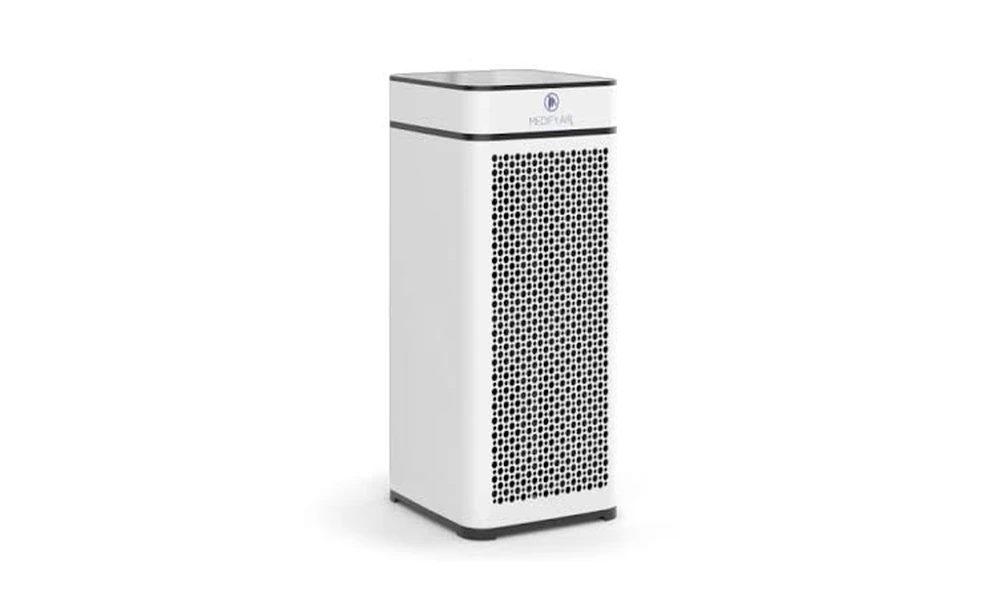
An air-cleaner booking should reflect the work it is intended to support and the people responsible during that phase. A renovation calendar may include preparation, disruptive work, finishing and handback, each with different activities. Before reserving equipment for one long interval, ask the project lead to explain where air cleaning belongs and how its role will be reviewed as the programme changes.
Read the programme as changing activities
A project date range tells a homeowner when workers may be present, but it does not fully describe the work happening on each day. Ask for the relevant phase boundaries in plain language. The contractor should determine the appropriate controls for the materials and tasks. The homeowner’s useful contribution is to ensure that the equipment request corresponds to that explanation rather than a generic assumption that every renovation day is alike.
Drying Equipment’s HEPA rental category can be considered when the responsible contractor identifies a suitable role for portable air cleaning. Confirm the current machine and the intended application with the provider. A category listing does not determine the project’s operating schedule, location of equipment or conditions for occupying the property while work proceeds.
The EPA describes filtration as supplementary to source control and ventilation. Keep that limited role visible in the programme. The contractor’s wider controls must address the actual work, including any material hazards requiring qualified assessment. An air cleaner should not become a convenient explanation for proceeding with an uncertain task before those issues have been resolved.
Distinguish a programme assumption from a confirmed equipment requirement. A designer may allow time for cleaning between phases without specifying a machine. A contractor may propose equipment after evaluating the work. The homeowner should ask which statement governs the rental request and who has made it. This prevents a planning allowance in one document from quietly becoming a technical instruction in another.
Identify the handoff between contractors
Responsibility can become unclear when one trade leaves and another arrives. The first contractor may have arranged the machine, while the next assumes the homeowner is supervising it. Before that transition, establish who will operate the equipment, follow its instructions and communicate with the rental provider. If the work changes substantially, the responsible professional should review whether the existing arrangement remains appropriate.
The handoff should include current equipment information and any relevant project instructions. A new operator should not rely on a brief verbal summary from someone rushing to another site. Keep the supplied documentation available and identify whom to contact about a fault or uncertainty. Where filter handling or other maintenance is involved, responsibilities should remain within the appropriate instructions and controls for the declared application.
Ask how the end of a phase will be established. Is it a completed task, a professional assessment or another agreed project condition? A calendar date may be provisional. The answer helps the owner avoid arranging pickup solely because one contractor’s original schedule ends, even though the project lead has not yet reviewed the next stage. It also helps avoid an unnecessary extension caused by no one owning the transition.
Keep financial authority separate from operational responsibility. The contractor operating the machine may not be authorized to extend a rental on the homeowner’s account. Name the person who can approve a change and make the review timing known. If a weekend falls between phases, establish who will be reachable before that gap begins; a contact listed on paper is little help if nobody expects to answer. That clarity protects everyone from assuming that continued use automatically means continued authorization under the same terms.
Where the property remains occupied, communicate any changed instructions to residents. They should know which current arrangement applies and how to raise a concern. Do not leave them to infer the plan from which workers happen to be present. A household member who saw the first handover may still be following it after the second trade has introduced a different set of circumstances.
Let the equipment booking follow the agreed use
Once the phase and responsibilities are understood, discuss the practical rental period with the provider. Confirm the start, review and collection arrangements under the actual terms. If the work programme changes, contact the supplier promptly through the agreed route. Equipment already at a property should not be assumed available indefinitely, and a scheduled collection should not be used as a substitute for the project lead’s decision about continued need.
If a gap develops between work phases, ask the responsible professional how that affects the equipment plan. The answer depends on the assessed application and conditions. Do not devise an independent operating schedule to fill the gap, or assume a machine should remain simply because moving it feels inconvenient. The rental decision should be a consequence of the agreed work plan, with costs and availability clarified separately.
At final handback, retain the rental return record and the appropriate project documents. Explain any remaining work through the responsible contractor’s actual advice. The removal of an air cleaner is an equipment event, not an independent certificate of indoor-air quality. The household should know what has been completed and what any specialist assessment covers, without broad assurances being inferred from an empty corner.
A phase-based conversation makes the rental more intelligible: the equipment has a stated role, an operator and a review point. Those details should be reconsidered whenever the activity changes. Before carrying yesterday’s equipment arrangement into tomorrow’s work, connect it to the new phase and let the responsible people confirm whether it still belongs there.